Wendy's family

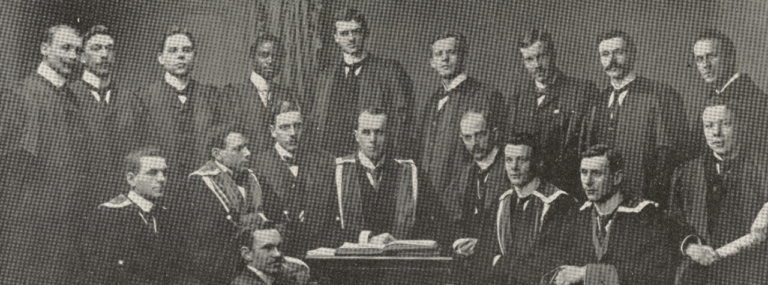
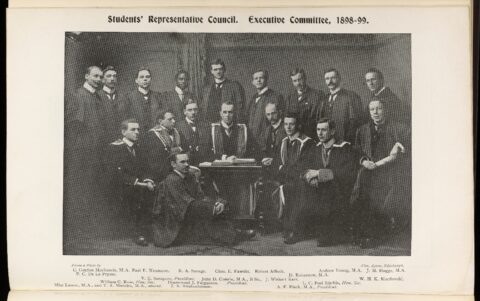
Scan of a page from an edition of The Student magazine published in 1898. The page contains a black and white photograph of the Students’ Representative Council Executive Committee of 1898 – 99. In the photograph, the Executive Committee of eighteen men are standing and sitting around a small table in the centre of the photograph, dressed in formal late nineteenth century dress, many wearing university gowns. Richard Akiwande Savage is standing in the row of men at the back of the photograph, fourth from the left. He is the only black man in the photograph. Under the photograph are printed the names of the Executive Committee members.

Wendy’s family story shows how they overcame racial, gender, and colonial barriers to build a medical legacy.

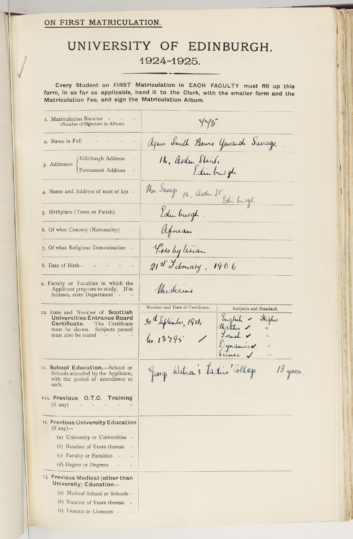
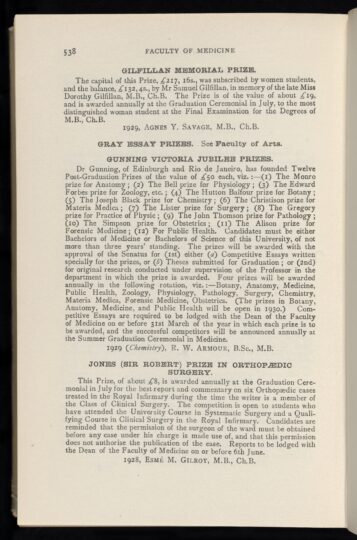
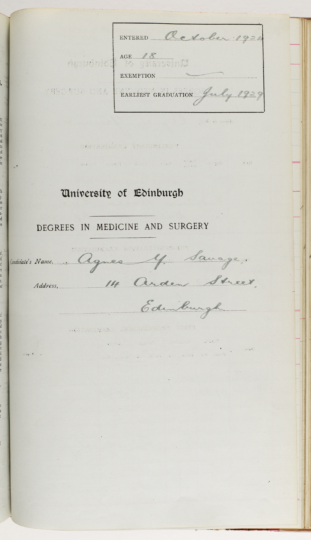
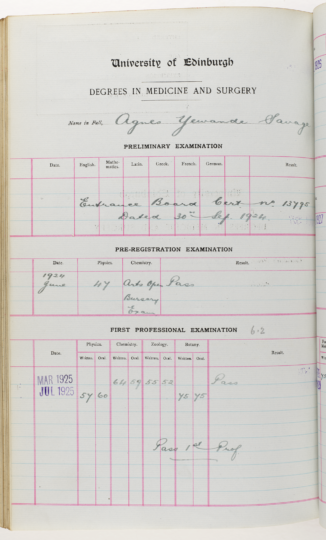
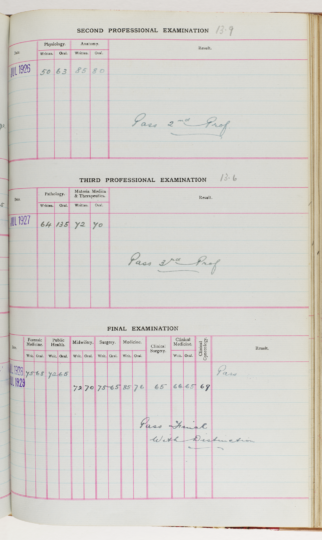
Her great-grandfather, Richard Akiwande Savage, was born to a successful merchant family in British-colonial Nigeria in 1874. He graduated from Edinburgh Medical School in 1900 and then worked as a medical practitioner in British-colonial Ghana. His two children, Richard Gabriel Akiwande Savage and Agnes Yewande Savage followed in his footsteps; Richard graduated from Edinburgh Medical School in 1926, and Agnes in 1929 making her the first West African woman to qualify in medicine. Richard Jr. also broke barriers, becoming the first person of West African descent to be commissioned as an officer in the British Army when he was called for service in 1940.

A student representative

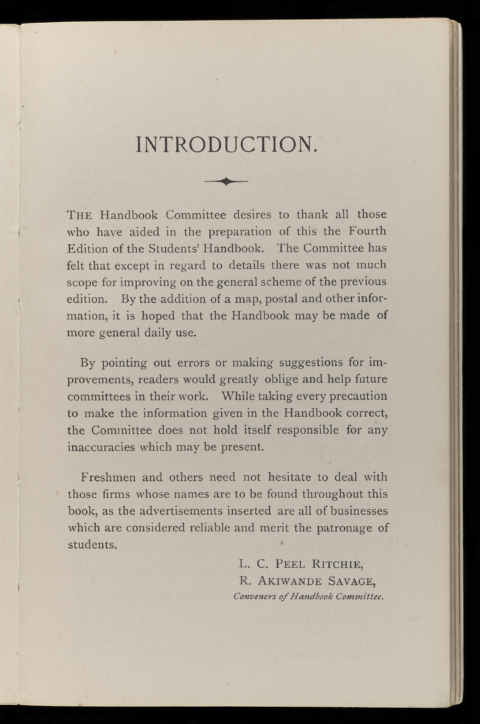
During his time at Edinburgh, Richard served on the Students’ Representative Committee, helped edit the Student Handbook (pictured right below), and was a member of the Afro-West Indian Society. He can be seen third from the left on the back row of the photo shown below right, featured in 1898 Student Handbook.

"Woman’s Outlook – SCOTTISH NURSES ABROAD: DEVELOPMENTS ON GOLD COAST

...Two women doctors, whose homes are in Edinburgh, have done important work – Dr Sybil Russell and Dr Agnes Savage, who both graduated at Edinburgh University. They plan to establish “nursing schools” in three of the principal towns – Accra, Kumasi, and Cape Coast – and there girls who left school will receive a general education of two years duration before training. Among other schemes it is intended to introduce a State medical certificate so that a Gold Coast nurse may eventually become a sister or matron without leaving her own country."

This excerpt from an article published in The Scotsman in 1947, proudly describes the work of Edinburgh graduates, including Agnes, in colonial Ghana. In reality, Agnes' skill and experience was underappreciated when she first arrived in Ghana due to racist and misogynist attitudes. Despite her Scottish education and birth, the Colonial Office employed her under a local contract, affording her a far lower salary than her white male counterparts. Her case eventually attracted the attention of the headmaster of the prestigious Achimota College, who successfully petitioned for Agnes to be given a European contract.

In this recording, Wendy describes her experience retracing her family’s history through the archives and around Edinburgh. She reflects on the family’s strong ties to their Scottish heritage and position in Edinburgh Medical School’s white-majority culture, highlighting the non-linear quality of progress in racial equality.